

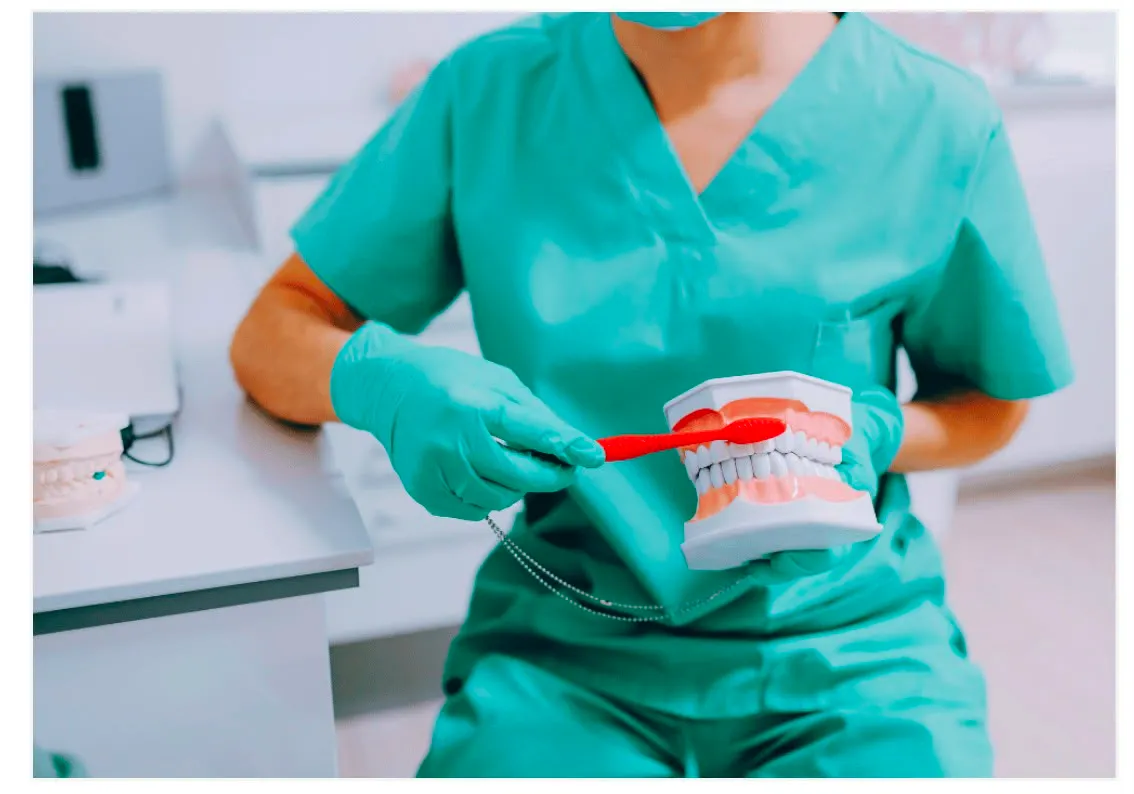
Dentist-Approved Ways to Stay Healthy: Everyday Habits for a Healthier Smile and Better Oral Health
Staying healthy is often associated with eating well, exercising, getting enough sleep, and taking care of your general health.
But there is another part of your health that deserves just as much daily attention: your mouth.
Your teeth, gums, tongue, jaw, and surrounding oral tissues are part of your overall health, and the habits you follow every day can have a significant impact on how well they function throughout your life.
At Asnan Dental, we believe maintaining a healthy smile is not about waiting until something hurts and then visiting the dentist.
It is about prevention.
It is about understanding your individual risk factors.
And most importantly, it is about creating simple, consistent habits that protect your teeth and gums before problems develop.
Whether you have completely natural teeth or dental treatments such as Veneers, Aesthetic fillings, Cosmetic fillings, emax crowns, zirconia crowns, hybrid ceramic crowns, crowns on implant, braces, aligners, vacuum and fixed retainers, All on 4, All on 6, All on 8, or All on X procedures, maintaining your oral health remains essential.
For anyone searching for the best dental clinic in Cairo, one of the most important things to look for is a dental team that focuses not only on treatment but also on prevention, education, maintenance, and long-term oral health.
Here are some of the most important dentist-approved ways to stay healthy and protect your smile.
1. Brush Your Teeth Twice a Day—but Technique Matters
Most people know they should brush their teeth.
But brushing twice a day does not automatically mean that every part of the mouth is being cleaned effectively.
How you brush matters.
Your toothbrush should reach:
- The outer surfaces of the teeth
- The inner surfaces
- The chewing surfaces
- The area where the teeth meet the gums
- The back teeth, which are often missed
Use a soft-bristled toothbrush unless your dentist recommends otherwise, and brush with controlled, gentle movements rather than aggressive pressure.
Brushing harder does not necessarily clean better.
In fact, excessive brushing pressure can contribute to gum recession and tooth wear in some patients.
The goal is to remove plaque thoroughly while protecting the teeth and gums.
Do Not Rush Your Brushing
A quick few seconds with a toothbrush is unlikely to clean the mouth effectively.
Give yourself enough time to reach all areas systematically.
Many patients repeatedly miss the same areas without realizing it.
Your dentist or dental hygienist can help identify these areas and improve your technique.
2. Use Fluoride Toothpaste
Fluoride is an important part of preventive dental care.
It helps strengthen tooth enamel and increase resistance to decay.
For most patients, brushing regularly with an appropriate fluoride toothpaste is one of the simplest ways to help protect the teeth.
The amount and type of toothpaste may differ according to age and individual dental needs, particularly for young children or patients with a high risk of decay.
If you are unsure which toothpaste is appropriate for you or your child, ask your dental team.
3. Clean Between Your Teeth Every Day
A toothbrush is essential—but it cannot effectively clean every surface.
The areas between neighboring teeth are especially easy to miss.
Plaque and food can accumulate in these spaces and contribute to:
- Cavities
- Gum inflammation
- Bleeding
- Bad breath
- Periodontal problems
Depending on your mouth, your dentist may recommend:
- Dental floss
- Interdental brushes
- Specialized floss
- Other interdental-cleaning aids
There is no single method that works perfectly for every person.
For example, the best cleaning method may differ for someone with natural teeth compared with someone who has braces, fixed retainers, crowns, bridges, or dental implants.
The important thing is to clean areas that your toothbrush cannot reach.
4. Do Not Ignore Your Gums
Healthy teeth require healthy gums.
Gum disease can begin gradually and may not cause significant pain in its early stages.
Warning signs can include:
- Bleeding while brushing
- Bleeding during flossing
- Redness
- Swelling
- Persistent bad breath
- Gum recession
- Increasing spaces between teeth
- Tooth mobility
If your gums bleed regularly, do not simply stop flossing because you see blood.
The bleeding may be a sign that inflammation is already present.
Professional assessment can determine the cause and whether changes in oral hygiene or periodontal treatment are required.
5. Drink More Water
Water is one of the simplest choices you can make for your oral health.
Drinking water throughout the day can help:
- Rinse food debris from the mouth
- Reduce prolonged exposure to sugary drinks
- Support normal saliva function
- Keep the mouth more comfortable
- Reduce dryness
Water is especially useful between meals.
From a dental perspective, repeatedly sipping sugary or acidic drinks throughout the day is much more challenging for the teeth.
6. Pay Attention to How Often You Consume Sugar
People often focus on the total amount of sugar they eat.
But in dentistry, frequency matters too.
Every time teeth are exposed to fermentable carbohydrates and sugars, bacteria within dental plaque can produce acids.
Repeated snacking and sipping can therefore expose the teeth to repeated acidic challenges throughout the day.
Instead of continuously consuming:
- Sugary snacks
- Soft drinks
- Sweetened coffee
- Energy drinks
- Juice
- Candy
try to reduce how frequently the teeth are exposed.
You do not necessarily need to create a completely sugar-free lifestyle.
The goal is to make smarter choices and reduce constant exposure.
7. Be Careful With Acidic Drinks
Sugar is not the only dietary factor that affects teeth.
Acidity matters too.
Frequent exposure to acidic drinks may contribute to dental erosion, which gradually removes mineral from the tooth surface.
Examples may include:
- Soft drinks
- Energy drinks
- Some sports drinks
- Citrus drinks
- Certain flavored beverages
Dental erosion is different from tooth decay.
It is a chemical loss of tooth structure caused by repeated acid exposure.
Over time, teeth may become:
- More sensitive
- Thinner
- More translucent
- Shorter
- More vulnerable to wear
Moderation and reducing the frequency of acidic exposure are important preventive habits.
8. Do Not Brush Immediately After Significant Acid Exposure
After exposure to strong acids—such as after vomiting or consuming particularly acidic drinks—the tooth surface can temporarily become more vulnerable.
Rather than aggressively brushing immediately, rinsing the mouth and allowing some time before brushing may be preferable.
This is especially relevant for patients who experience frequent vomiting, reflux, or high levels of dietary acid exposure.
If this happens regularly, speak to both your dentist and the appropriate medical professional.
9. Do Not Use Your Teeth as Tools
Your teeth are designed to bite and chew food.
They are not designed to:
- Open bottles
- Tear packaging
- Cut thread
- Crack hard objects
- Hold pins
- Bite pens
- Open plastic bags
Using your teeth as tools can result in:
- Cracks
- Chipping
- Broken restorations
- Damaged Veneers
- Fractured fillings
- Broken crowns
A few seconds saved by using your teeth instead of scissors is not worth damaging a tooth or restoration.
10. Avoid Chewing Extremely Hard Objects
Ice, hard candies, certain nuts, pens, and other rigid objects can place significant forces on teeth.
Natural teeth are strong, but they are not indestructible.
The same applies to dental restorations.
Patients with:
- Veneers
- Aesthetic fillings
- Cosmetic fillings
- emax crowns
- zirconia crowns
- hybrid ceramic crowns
should be particularly mindful of avoidable habits that place excessive forces on restorations.
Good dental work is designed to function during normal use—not unnecessary abuse.
11. Protect Your Teeth From Grinding and Clenching
Some patients grind or clench their teeth without realizing it.
This can happen while awake or during sleep.
Signs may include:
- Tooth wear
- Flattened tooth surfaces
- Chipping
- Cracks
- Jaw fatigue
- Morning headaches
- Muscle discomfort
- Increased sensitivity
- Frequently damaged restorations
Grinding may also affect Veneers, Cosmetic fillings, Aesthetic fillings, emax crowns, zirconia crowns, hybrid ceramic crowns, and crowns on implant.
If your dentist notices signs of excessive wear or you experience related symptoms, your bite and grinding habits may need to be evaluated.
In selected patients, a protective appliance may be recommended.
12. Take Care of Your Tongue
The tongue can accumulate bacteria, food debris, and coating.
Gentle tongue cleaning can be included as part of your oral-hygiene routine.
This may help improve overall oral cleanliness and can contribute to managing some causes of bad breath.
However, persistent bad breath should not automatically be treated only with tongue cleaning or mouthwash.
If the problem continues despite good hygiene, professional assessment may be needed to determine whether the cause is related to the gums, teeth, dry mouth, or another condition.
13. Mouthwash Is an Addition—not a Replacement
Mouthwash can be helpful in certain situations.
But it does not replace:
- Brushing
- Interdental cleaning
- Professional dental care
Different mouthwashes have different purposes.
Some contain fluoride.
Some are designed for specific gum conditions.
Others are primarily cosmetic and freshen breath temporarily.
Using the strongest or most expensive mouthwash does not necessarily mean it is the best option for your mouth.
Choose products according to your needs and your dentist’s recommendations.
14. Keep Your Mouth Hydrated
Saliva has an important protective function.
It helps:
- Lubricate oral tissues
- Support swallowing
- Neutralize acids
- Wash away food particles
- Protect teeth against decay
Dry mouth can increase dental risk.
Possible causes include:
- Certain medications
- Dehydration
- Some medical conditions
- Mouth breathing
- Smoking
- Other individual factors
If your mouth feels persistently dry, do not simply accept it as normal.
Speak with your dentist so that potential causes and strategies can be considered.
15. Do Not Smoke or Use Tobacco Products
Tobacco can have significant effects on oral health.
It is associated with increased risks including:
- Gum disease
- Tooth loss
- Delayed healing
- Implant complications
- Oral cancers
- Staining
- Persistent bad breath
Stopping tobacco use can benefit both oral and general health.
Your mouth is one of many parts of the body that benefits when tobacco exposure is reduced or eliminated.
16. Eat a Balanced Diet
Your diet affects more than your weight or energy levels.
It also influences oral health.
A balanced diet that includes appropriate sources of:
- Protein
- Calcium
- Vitamins
- Minerals
- Fiber
supports general health and provides nutrients needed by oral tissues.
Foods that require healthy chewing, such as many fibrous fruits and vegetables, can also form part of a balanced lifestyle.
However, no specific food can replace brushing, flossing, or professional dental care.
Nutrition supports dental health—it does not replace oral hygiene.
17. Protect Children’s Teeth Early
Healthy dental habits should begin in childhood.
At Asnan Dental, pedodetrics / pediatric dentistry / pedodontics focuses strongly on prevention.
Parents can help protect children’s teeth by:
- Beginning brushing when teeth erupt
- Using age-appropriate fluoride toothpaste
- Supervising brushing
- Reducing frequent sugar exposure
- Encouraging water
- Attending appropriate dental check-ups
- Considering Dental Sealants when recommended
- Monitoring developing teeth and bite
- Seeking early help for dental pain or trauma
Baby teeth matter.
They contribute to:
- Chewing
- Speech
- Comfort
- Facial development
- Maintaining space for permanent teeth
Preventing dental problems during childhood creates a stronger foundation for adulthood.
18. Make Dental Visits Normal for Children
Children who only visit the dentist when they are already in pain may begin associating dental clinics with emergencies.
Preventive visits allow children to become familiar with the environment while the dental team monitors development and teaches healthy habits.
The objective of pediatric dentistry should not simply be to repair cavities.
It should also help prevent them and build confidence around dental care.
19. Protect Teeth During Sports
Sports-related dental injuries can happen quickly.
For activities where there is a meaningful risk of impact to the face or mouth, an appropriate mouthguard may help protect:
- Teeth
- Lips
- Gums
- Dental restorations
This becomes particularly important for children and teenagers participating in contact or high-impact activities.
If dental trauma does occur, seek professional advice promptly.
20. If You Have Braces, Oral Hygiene Becomes Even More Important
Braces can create additional areas where plaque and food accumulate.
Patients with fixed orthodontic appliances need to clean carefully around:
- Brackets
- Wires
- Gumlines
- Spaces between teeth
Poor oral hygiene during braces treatment may increase the risk of:
- Cavities
- White spot lesions
- Gum inflammation
- Bad breath
- Plaque accumulation
A beautifully aligned smile should also be a healthy smile.
Orthodontic treatment and preventive dentistry must work together.
21. Aligners Must Stay Clean Too
Clear aligners are removable, but they still require hygiene.
Before placing aligners back into your mouth, both your teeth and aligners should be clean according to the instructions provided by your dental or orthodontic team.
Repeatedly covering food debris or plaque with aligners for many hours can create an unfavorable environment around the teeth.
Patients should also follow their orthodontic wear schedule rather than adjusting treatment independently.
22. Do Not Forget Your Vacuum and Fixed Retainers
Orthodontic treatment does not end the moment braces are removed or the last aligner is completed.
Teeth may shift after treatment.
That is why vacuum and fixed retainers play such an important role.
Patients should:
- Wear removable retainers according to instructions
- Keep them clean
- Avoid exposing them to damaging heat
- Monitor their fit
- Clean carefully around fixed retainers
- Contact the dental team if a fixed wire breaks or detaches
A retainer is part of protecting the result you worked to achieve.
23. Take Care of Aesthetic Fillings and Cosmetic Fillings
Modern Aesthetic fillings and Cosmetic fillings can restore damaged teeth while providing a natural appearance.
But they still require maintenance.
Protect them by:
- Brushing effectively
- Cleaning between teeth
- Avoiding unnecessary hard-object biting
- Monitoring grinding
- Attending dental examinations
- Reporting chipping or roughness
Over time, composite restorations may experience wear, staining, chipping, or other changes.
Periodic assessment helps determine whether they are still functioning well.
24. Veneers Still Need Healthy Teeth and Gums
Veneers can dramatically enhance a smile in appropriate cases.
However, having veneers does not mean preventive care becomes less important.
Quite the opposite.
Healthy gums, excellent oral hygiene, and appropriate bite forces help protect the long-term result.
Patients with Veneers should:
- Brush twice daily
- Clean between teeth
- Maintain gum health
- Avoid biting hard objects
- Monitor grinding
- Attend appropriate dental check-ups
- Report any movement, chipping, or changes
Aesthetic dentistry works best when it is supported by excellent preventive care.
25. Care for Emax Crowns, Zirconia Crowns and Hybrid Ceramic Crowns
Different crown materials may be selected according to the clinical situation.
These can include:
- emax crowns
- zirconia crowns
- hybrid ceramic crowns
Regardless of material, every crown needs a healthy foundation.
The patient still needs to maintain:
- Healthy gums
- Clean crown margins
- Good interdental hygiene
- Appropriate bite forces
- Routine professional monitoring
Decay may still develop at exposed tooth surfaces or restoration margins.
Gum inflammation may still occur.
And restorations may experience wear or damage over time.
A crown is not a substitute for prevention.
26. Dental Implants Are Not Maintenance-Free
One of the biggest misconceptions about dental implants is that once an implant is placed, it no longer requires dental care.
Dental implants cannot develop cavities in the same way natural teeth do.
But the gums and bone around them can develop problems.
Patients with dental implants and crowns on implant should maintain:
- Daily oral hygiene
- Cleaning around the implant
- Interdental cleaning
- Professional monitoring
- Healthy gum tissues
- Appropriate bite
- Routine assessment of the restoration
If you notice bleeding, swelling, pain, mobility, or a change around an implant, contact your dental team.
27. All on 4, All on 6, All on 8 and All on X Require Long-Term Care
Full-arch implant treatments can transform dental function and appearance for suitable patients.
Options may include:
- All on 4
- All on 6
- All on 8
- All on X procedures
But completing the procedure is not the end of the patient’s responsibility.
Long-term maintenance may include:
- Specialized cleaning techniques
- Cleaning underneath the restoration
- Interdental cleaning
- Water flossing when appropriate
- Professional hygiene
- Implant evaluation
- Gum and bone monitoring
- Bite assessment
- Evaluation of prosthetic components
The exact routine depends on the type of restoration and the individual case.
Advanced implant dentistry still relies on basic principles:
cleanliness, monitoring, prevention, and maintenance.
28. Do Not Ignore Changes in Your Bite
The way your upper and lower teeth meet affects the forces placed on:
- Natural teeth
- Fillings
- Veneers
- Crowns
- Dental implants
- Full-arch restorations
If your bite suddenly feels different or a particular tooth begins contacting earlier than before, tell your dentist.
Changes may be related to:
- Tooth movement
- Restoration changes
- Grinding
- Trauma
- Gum or bone changes
- Orthodontic movement
Early assessment may help protect both natural teeth and dental work.
29. Manage Stress—Your Mouth May Be Feeling It Too
Stress can affect oral health in several ways.
Some people respond to stress by:
- Clenching their jaw
- Grinding their teeth
- Chewing their cheeks
- Biting their nails
- Neglecting oral hygiene
- Increasing sugary snacking
- Sleeping poorly
Your mental and physical routines influence dental behavior too.
Simple stress-management habits such as regular exercise, appropriate sleep, relaxation practices, and reducing harmful coping behaviors may indirectly support oral health as part of a healthier lifestyle.
30. Get Enough Sleep
Good sleep supports general well-being.
From a dental perspective, sleep can also matter because some oral-health concerns—such as sleep bruxism, dry mouth, and certain breathing-related conditions—may occur or become more noticeable at night.
If you regularly wake with:
- Jaw pain
- Headaches
- Extremely dry mouth
- Tooth sensitivity
- Facial muscle discomfort
mention it to your dental team.
Your symptoms may provide useful clues.
31. Pay Attention to Changes in Your Mouth
Do not only examine your smile from an aesthetic perspective.
Notice changes.
Speak to your dentist if you develop:
- Persistent ulcers
- Unexplained lumps
- Red or white patches
- Persistent bleeding
- Swelling
- Unusual discoloration
- Difficulty swallowing
- Persistent numbness
A dental examination includes more than looking for cavities.
The soft tissues of the mouth matter too.
32. Do Not Wait Until Something Hurts
One of the most important dentist-approved health habits is simple:
Do not use pain as your only signal for seeing a dentist.
Many dental problems may progress silently.
Examples include:
- Early decay
- Gum disease
- Restoration problems
- Implant inflammation
- Tooth wear
- Early cracks
Preventive examinations give the dental team an opportunity to identify changes before they necessarily become painful.
33. Have Your Existing Dental Work Checked
Even if you feel completely comfortable, previous dental treatment should be monitored.
This includes:
- Aesthetic fillings
- Cosmetic fillings
- Veneers
- emax crowns
- zirconia crowns
- hybrid ceramic crowns
- crowns on implant
- braces
- aligners
- vacuum and fixed retainers
- All on 4
- All on 6
- All on 8
- All on X procedures
Every treatment has different maintenance needs.
The objective is not simply to check whether something has already failed.
It is to detect changes early enough to protect the result whenever possible.
34. Personalize Your Dental Routine
There is no perfect dental routine that applies identically to every person.
One patient may need:
- Standard brushing and flossing
Another may require:
- Interdental brushes
Another may require:
- Implant-specific cleaning tools
An orthodontic patient may need:
- Additional cleaning around braces
A patient with a full-arch implant restoration may require:
- Specialized cleaning beneath the prosthesis
A child requires an entirely different routine from an older adult with multiple restorations.
This is why personalized preventive care matters.
Ask your dental team what routine is appropriate specifically for your mouth.
35. Keep Regular Dental Check-Ups Based on Your Risk
There is no single ideal appointment interval for every patient.
Someone with stable dental health may require a different schedule from a person with:
- Active gum disease
- Frequent decay
- Multiple restorations
- Orthodontic treatment
- Dental implants
- Full-arch implant treatment
- Dry mouth
- High dental risk
Your dentist can recommend a follow-up schedule based on your individual condition.
The objective of preventive care is not simply to visit according to a calendar.
It is to visit often enough to maintain your health effectively.
Healthy Habits Matter Before Cosmetic Dentistry Too
Patients interested in improving their smile often focus immediately on the final result.
They may search for:
- Veneers
- Aesthetic fillings
- Cosmetic fillings
- emax crowns
- zirconia crowns
- hybrid ceramic crowns
But excellent cosmetic dentistry begins with health.
Before aesthetic treatment, your dentist may need to assess:
- Cavities
- Gum disease
- Oral hygiene
- Bite
- Grinding
- Tooth structure
- Existing restorations
A beautiful smile is stronger when it is built on a healthy foundation.
Healthy Habits Matter Before and After Implant Dentistry
The same principle applies to implant treatment.
Patients considering:
- Dental implants
- crowns on implant
- All on 4
- All on 6
- All on 8
- All on X procedures
should understand that treatment success involves both the clinical procedure and the patient’s long-term maintenance.
Healthy gums, appropriate oral hygiene, professional monitoring, and responsible habits all contribute to the treatment journey.
Advanced dentistry does not replace prevention.
It makes prevention even more valuable.
Looking for the Best Dental Clinic in Cairo? Look for a Clinic That Helps You Stay Healthy
When people search online for the best dental clinic in Cairo, they may naturally look for advanced technology, cosmetic cases, dental implants, highly aesthetic restorations, or specialist treatments.
These factors can be important.
But quality dental care is also demonstrated by something less dramatic:
helping patients stay healthy enough to need less treatment whenever possible.
A dental clinic should not only ask:
“What procedure does this patient need today?”
It should also ask:
“How can we help this patient protect their teeth and treatment for the future?”
At Asnan Dental, prevention and maintenance form an important part of the patient journey.
Whether someone is visiting for routine dental care, pedodetrics / pediatric dentistry, Aesthetic fillings, Cosmetic fillings, Veneers, braces, aligners, vacuum and fixed retainers, emax crowns, zirconia crowns, hybrid ceramic crowns, crowns on implant, All on 4, All on 6, All on 8, or All on X procedures, the long-term goal remains the same:
healthy teeth, healthy gums, stable dental treatment, and a smile the patient can maintain.
The Healthiest Smile Is the One You Take Care of Every Day
Excellent dental health is rarely created by one appointment.
It is built through the small things you repeatedly do.
Brushing properly.
Cleaning between your teeth.
Drinking water.
Reducing frequent sugar and acid exposure.
Protecting your teeth from unnecessary forces.
Taking care of your gums.
Maintaining braces, aligners, and retainers.
Caring for veneers and crowns.
Cleaning around implants.
Attending preventive appointments.
And asking for help when something changes.
These habits may seem simple individually.
Together, they can have a powerful impact on your long-term oral health.
Stay Healthy Today. Protect Your Smile for Tomorrow.
At Asnan Dental, we believe some of the best dentistry begins before treatment is ever needed.
Good prevention helps protect natural teeth.
Good maintenance helps protect dental restorations.
Healthy habits help children build stronger foundations.
And responsible long-term care helps protect investments in Veneers, Aesthetic fillings, Cosmetic fillings, braces, aligners, vacuum and fixed retainers, emax crowns, zirconia crowns, hybrid ceramic crowns, crowns on implant, All on 4, All on 6, All on 8, and All on X procedures.
No matter where you are in your dental journey, the most important step is consistency.
Make Your Oral Health Part of Your Healthy Lifestyle
Your mouth is part of your body, and taking care of it should be part of taking care of yourself.
If you are unsure whether your current routine is right for your teeth, gums, restorations, implants, or orthodontic treatment, a dental assessment can help create a preventive plan based on your individual needs.
Healthy habits. Regular prevention. Early attention. Long-term care.
That is how a healthier smile is built.