

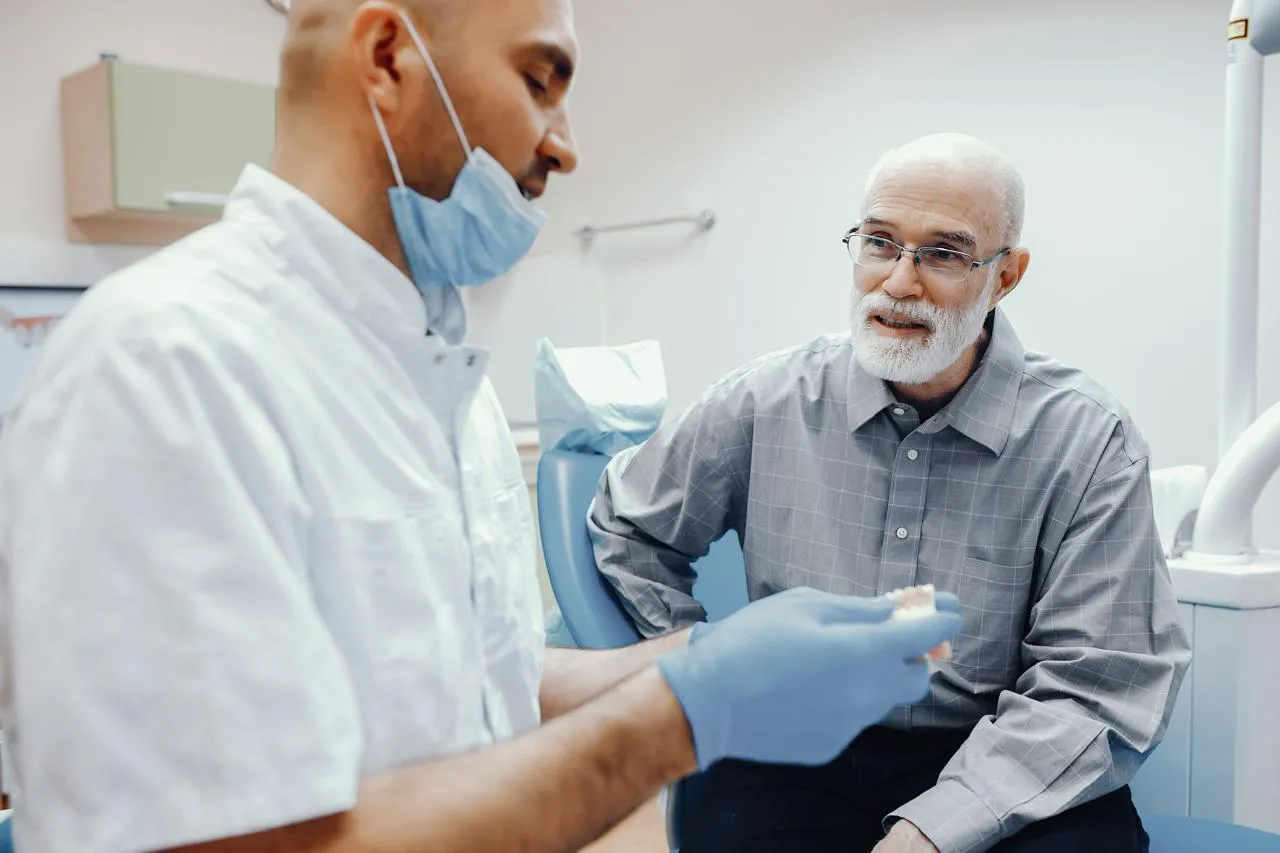
Preventive dental care is one of the most important investments you can make in your oral health.
Healthy teeth and gums are not maintained only by treating problems when they appear. They are protected through daily habits, regular dental check-ups, early diagnosis, professional care, and personalized prevention strategies that change as we grow.
At Asnan Dental, we believe prevention should begin early and continue throughout every stage of life.
The dental needs of a toddler are very different from those of a teenager. Adults may need to protect existing restorations, gums, implants, or orthodontic results, while older patients may require additional attention to dry mouth, exposed root surfaces, tooth wear, dentures, and dental implants.
Whether you are visiting for preventive care, Veneers, All on 4, All on 6, All on 8, All on X procedures, Aesthetic fillings, Cosmetic fillings, vacuum and fixed retainers, braces, aligners, crowns on implant, emax crowns, zirconia crowns, hybrid ceramic crowns, or pedodetrics, prevention remains one of the foundations of long-term dental success.
For patients searching for the best dental clinic in Cairo, choosing a clinic that focuses not only on treatment but also on prevention, maintenance, patient education, and long-term oral health can make a meaningful difference.
Here is our complete guide to preventive dental care for every age group.
Why Preventive Dental Care Matters
Many dental problems begin silently.
A small cavity may not hurt.
Early gum disease may cause only mild bleeding.
A crown may begin developing a problem before the patient notices anything.
An implant may develop inflammation around the surrounding tissues without causing immediate pain.
A child may develop decay before being able to explain that something is wrong.
Preventive dentistry aims to identify these issues as early as possible.
Depending on the patient, preventive care may include:
- Routine dental examinations
- Professional dental cleaning
- Gum-health assessment
- Dental X-rays when clinically needed
- Fluoride recommendations
- Dental sealants
- Oral-hygiene guidance
- Diet and sugar-frequency advice
- Orthodontic assessment
- Monitoring of restorations
- Monitoring of implants
- Bite assessment
- Tooth-wear evaluation
- Oral-cancer screening
- Long-term maintenance plans
Prevention is not exactly the same for everyone.
A patient with healthy natural teeth may need a different preventive plan from someone with Veneers, emax crowns, zirconia crowns, hybrid ceramic crowns, crowns on implant, braces, aligners, or All on X procedures.
The best preventive plan is one that is personalized to the patient’s age, dental history, risk factors, lifestyle, and treatment history.
Babies and Toddlers: Prevention Begins With the First Tooth
Dental care should begin much earlier than many parents expect.
Even before all of the baby teeth appear, parents can begin building the habits that will protect their child’s oral health.
Start Oral Hygiene Early
Before the first tooth erupts, parents can gently clean the baby’s gums using a clean, soft, damp cloth.
Once the first tooth appears, brushing should begin using a soft, age-appropriate toothbrush and an appropriate amount of fluoride toothpaste according to professional guidance.
At this stage, brushing is the parent’s responsibility.
Young children do not yet have the coordination needed to clean their teeth properly by themselves.
The First Dental Visit Should Not Wait for Pain
The purpose of an early dental visit is not simply to look for cavities.
It allows the dentist to assess:
- Tooth eruption
- Gum health
- Oral development
- Early decay risk
- Feeding habits
- Pacifier or thumb-sucking habits
- Oral hygiene
- Fluoride exposure
- Developing bite
At Asnan Dental, early pedodetrics / pediatric dentistry focuses not only on treating children’s dental problems but also on helping parents prevent them.
Early positive dental experiences may also help children become more comfortable with dental visits as they grow.
Avoid Frequent Sugar Exposure
One of the greatest risks to baby teeth is frequent exposure to sugary foods and drinks.
The issue is not only the total amount of sugar a child consumes.
The frequency of exposure matters.
Continuous snacking, sipping on sweetened drinks, or going to sleep with milk or sugary liquids remaining around the teeth can increase the risk of early childhood decay.
Once appropriate for the child’s age, water is generally the best drink between meals.
Young Children: Building Habits That Last
As children grow, they begin wanting more independence.
This is an ideal time to teach good oral-hygiene habits, but parental supervision remains very important.
Brush Twice Daily With Supervision
Children should brush twice a day, particularly before bedtime.
Parents should continue checking or assisting with brushing until the child is able to clean all tooth surfaces effectively.
Allowing children to brush first and then having a parent finish the job can help build independence without compromising cleaning quality.
Begin Cleaning Between Teeth
Once neighboring teeth touch, toothbrush bristles may not effectively clean the spaces between them.
This is where flossing or another appropriate interdental-cleaning method becomes useful.
Parents will often need to assist younger children.
Consider Dental Sealants When Appropriate
Permanent molars can have deep grooves where food and plaque easily collect.
For suitable children, dental sealants may help protect these vulnerable areas from decay.
Sealants do not replace brushing or dental visits.
They are an additional preventive measure.
Monitor Early Bite Development
As baby teeth and permanent teeth change, the dentist can monitor jaw development and tooth alignment.
Early evaluation may help identify:
- Crowding
- Crossbites
- Significant overbites
- Underbites
- Abnormal eruption
- Missing teeth
- Habits affecting jaw development
Not every problem requires immediate orthodontic treatment.
But identifying it early allows the dental team to determine whether observation or early intervention is appropriate.
School-Age Children: Protecting the Permanent Teeth
School-age children begin getting teeth that must last throughout adult life.
This makes prevention especially important.
Pay Attention to Newly Erupted Permanent Molars
The first permanent molars usually erupt behind the baby teeth.
Parents may not realize these teeth are permanent because they do not replace another tooth.
Their grooves can also be difficult for children to clean.
Regular dental examinations allow the dentist to assess these teeth and recommend preventive measures where needed.
Improve Brushing Technique
As children become independent, technique becomes just as important as frequency.
They should learn to clean:
- The outer tooth surfaces
- The inner surfaces
- The chewing surfaces
- Along the gumline
Parents should still check occasionally to make sure important areas are not repeatedly missed.
Sports Protection Matters
Children involved in sports or activities with a risk of impact to the mouth may benefit from appropriate mouthguards.
Dental trauma can affect permanent teeth, and prevention is always preferable to repairing a broken or displaced tooth later.
Teenagers: Prevention During a High-Risk Stage
Teenagers often have more independence but less consistency.
School, social activities, late nights, snacks, sugary drinks, sports, and orthodontic treatment can all increase dental risks.
Keep Brushing and Flossing Consistent
Even the most advanced dental treatment cannot replace good daily oral hygiene.
Teenagers should brush twice daily with fluoride toothpaste and clean between the teeth regularly.
This becomes even more important for patients with braces.
Braces Require Extra Preventive Care
Orthodontic brackets and wires create additional areas where food and plaque can collect.
Poor oral hygiene during braces treatment may contribute to:
- Gum inflammation
- Cavities
- White-spot lesions
- Bad breath
- Increased plaque buildup
Patients undergoing orthodontic treatment should pay special attention to cleaning around brackets and wires.
Professional dental cleaning and monitoring may also be recommended depending on individual risk.
Aligners Still Require Excellent Hygiene
Clear aligners may be removable, but that does not mean oral hygiene becomes less important.
Patients should keep both their teeth and aligners clean.
Placing aligners over teeth that have not been cleaned properly can trap plaque and food against the tooth surface.
Good orthodontic results should be accompanied by healthy teeth and gums.
Soft Drinks and Energy Drinks Can Damage Teeth
Teenagers may frequently consume:
- Soft drinks
- Energy drinks
- Sports drinks
- Flavored beverages
- Sweet coffee drinks
Many of these beverages combine sugar and acidity.
Frequent exposure can increase the risk of both decay and dental erosion.
Water remains one of the best daily choices.
After Orthodontic Treatment: Protecting the Result
Orthodontic prevention does not end when braces or aligners are removed.
Teeth have a natural tendency to move.
This is why retention is essential.
Patients may be advised to use:
- vacuum and fixed retainers
- Vacuum retainers
- Fixed retainers
- Or a combination of both
Retainers must also be maintained properly.
Vacuum retainers should be cleaned according to professional instructions.
Fixed retainers require careful cleaning around the wire and between the teeth.
A retainer can protect the result of orthodontic treatment only if it is used and maintained correctly.
Young Adults: Protecting a Healthy Smile Through a Busy Lifestyle
Young adulthood often brings new pressures.
University, work, travel, stress, irregular meals, and changing routines may push dental care lower on the priority list.
But this is also a time when preventive habits can make a major difference to long-term oral health.
Do Not Wait for Pain
A common mistake is assuming that healthy teeth do not need dental check-ups.
Many dental conditions do not hurt during their earliest stages.
Early diagnosis may allow simpler and more conservative treatment.
Watch for Grinding and Clenching
Stress may contribute to clenching or grinding in some patients.
Possible signs include:
- Tooth wear
- Jaw discomfort
- Morning headaches
- Tooth sensitivity
- Fractured fillings
- Chipped teeth
- Muscle fatigue
If these symptoms are present, the dentist can evaluate whether grinding, bite factors, or another condition may be contributing.
Protect Aesthetic Fillings and Cosmetic Fillings
Patients with Aesthetic fillings or Cosmetic fillings should still attend regular dental examinations.
Composite restorations may require monitoring for:
- Wear
- Marginal staining
- Chipping
- Recurrent decay
- Bite-related damage
Cosmetic dental work may look natural, but it is not maintenance-free.
The healthier the surrounding teeth and gums remain, the better the long-term outlook for the restoration.
Adults: Prevention Becomes Long-Term Maintenance
Adult dentistry is not only about preventing the first cavity.
It is also about protecting everything that has already been treated.
By adulthood, many patients may have:
- Fillings
- Root canal treatments
- Crowns
- Veneers
- Implants
- Bridges
- Orthodontic retainers
- Previous periodontal treatment
These all require ongoing care.
Gum Health Becomes a Major Priority
Periodontal disease can progress gradually and often without pain.
Possible signs include:
- Bleeding gums
- Swelling
- Persistent bad breath
- Gum recession
- Loose teeth
- Increasing spaces
- Changes in the bite
Bleeding during brushing should not be considered normal.
It can be a sign that the gums need more effective plaque control or professional evaluation.
Daily Interdental Cleaning Matters
A toothbrush cannot effectively clean every surface between the teeth.
Floss, interdental brushes, or other cleaning aids may be recommended depending on:
- Tooth spacing
- Gum condition
- Crowns
- Implants
- Braces
- Retainers
The best method is the one that suits the patient’s mouth and is used consistently.
Veneers: Prevention Protects the Smile You Invested In
Veneers can improve tooth shape, color, and overall smile aesthetics in appropriate cases.
However, veneers still depend on healthy teeth, gums, and bite.
Preventive care after veneers should include:
- Regular dental check-ups
- Good plaque control
- Flossing or interdental cleaning
- Monitoring the gumline
- Avoiding using teeth as tools
- Monitoring grinding or clenching
- Professional cleaning when indicated
Veneers do not make the underlying tooth immune to dental problems.
The margins and surrounding gum tissues still need to be maintained carefully.
Crowns Need Long-Term Monitoring Too
Different restorative materials may be chosen according to the clinical situation.
These may include:
- emax crowns
- zirconia crowns
- hybrid ceramic crowns
Each restoration has its own indications, advantages, and limitations.
But all crowns require preventive maintenance.
Patients should continue brushing and cleaning around crown margins.
The dentist should also monitor:
- Gum health
- Crown margins
- Bite
- Wear
- Recurrent decay
- Fracture
- The condition of the supporting tooth
A crown protects a damaged tooth, but it does not make that tooth maintenance-free.
Dental Implants and Crowns on Implant
Dental implants can be an excellent way to replace missing teeth in appropriate patients.
A single implant may eventually support a crown on implant.
While implants cannot develop cavities themselves, the tissues surrounding them can become inflamed.
Preventive care should therefore include:
- Cleaning around the implant
- Interdental cleaning
- Professional maintenance
- Monitoring gum and bone health
- Bite assessment
- Checking the implant-supported restoration
A healthy implant requires healthy surrounding tissues.
All on 4, All on 6, All on 8 and All on X Procedures: Prevention After Full-Arch Implant Treatment
Patients who receive full-arch implant rehabilitation may assume that because their teeth are implant-supported, preventive care is no longer necessary.
In reality, long-term maintenance is extremely important.
Treatments such as:
- All on 4
- All on 6
- All on 8
- All on x procedures
may restore an entire dental arch using implant-supported restorations.
After treatment, patients should follow a personalized hygiene and maintenance plan.
This may involve:
- Specialized brushing
- Interdental cleaning
- Water-flossing where appropriate
- Cleaning underneath the prosthesis
- Professional maintenance visits
- Implant and gum evaluation
- Bite assessment
- Monitoring screws, components, and restorations
The exact maintenance routine depends on the prosthesis design and individual case.
The success of advanced implant dentistry depends not only on the surgery itself but also on long-term care.
Pregnancy: A Special Stage for Preventive Dental Care
Pregnancy can cause changes in oral health.
Hormonal changes may make gums more prone to inflammation and bleeding.
Nausea and vomiting may also increase acid exposure to the teeth.
Maintain Daily Oral Hygiene
Pregnant patients should continue brushing twice daily and cleaning between their teeth.
If nausea makes brushing difficult, the dentist can recommend strategies to make the routine easier.
Do Not Brush Immediately After Vomiting
Stomach acid temporarily softens the outer tooth surface.
Immediately scrubbing the teeth may increase wear.
Rinsing the mouth first and waiting before brushing may be recommended.
Tell Your Dental Team About Pregnancy
Pregnancy should always be disclosed to the dental team.
Necessary dental care should not automatically be postponed.
Appropriate assessment and treatment can be planned according to the stage of pregnancy, clinical condition, and medical needs.
Middle Age: Preventing Wear, Gum Problems, and Restoration Failure
By middle age, decades of chewing, dental treatment, diet, stress, and lifestyle habits may begin to have a noticeable effect.
Monitor Tooth Wear
Tooth wear may be related to:
- Grinding
- Clenching
- Acidic drinks
- Digestive conditions
- Bite forces
- Age-related wear
Once significant tooth structure is lost, restoring it can become more complex.
Early detection is therefore important.
Do Not Ignore Sensitivity
Sensitivity may occur because of:
- Gum recession
- Tooth wear
- Decay
- Cracks
- Exposed roots
- Restoration problems
Using sensitivity toothpaste may help in some situations, but persistent sensitivity should still be assessed.
Check Older Fillings and Crowns
Dental restorations do not necessarily last forever.
Over time, they may wear, fracture, loosen, or develop problems at their margins.
Regular dental examinations help identify these changes before they become emergencies.
Older Adults: Keeping a Healthy Smile for Life
Growing older does not automatically mean losing your teeth.
Modern preventive dentistry, effective home care, and appropriate treatment can help many people maintain functional teeth throughout life.
Dry Mouth Needs Attention
Many older adults take medications that can reduce saliva.
Dry mouth may increase the risk of:
- Cavities
- Root decay
- Mouth discomfort
- Difficulty swallowing
- Oral infections
Persistent dry mouth should be discussed with both the dentist and physician.
Exposed Roots Need Extra Protection
Gum recession may expose root surfaces.
These areas are more vulnerable than enamel and may develop decay more easily.
Fluoride, plaque control, diet, and regular dental care can help protect them.
Dentures Still Need Dental Visits
Patients with dentures still require professional oral examinations.
Dentures should be cleaned properly and assessed for fit.
The gums and oral tissues underneath them also need examination.
Persistent ulcers or irritation should never simply be accepted as normal.
Implants Need Lifelong Maintenance
Older patients with dental implants or crowns on implant should continue receiving regular professional evaluation.
The absence of natural teeth does not mean preventive care is no longer necessary.
Pedodetrics and Pediatric Dentistry: Prevention Is a Family Commitment
At Asnan Dental, pedodetrics / pediatric dentistry is not simply about treating cavities in children.
It includes helping families prevent dental disease from the beginning.
This may involve:
- Brushing education
- Dietary counseling
- Fluoride recommendations
- Dental sealants
- Monitoring tooth eruption
- Evaluating the developing bite
- Treating early decay
- Managing dental anxiety
- Building positive dental habits
Children who learn to value dental health early have a stronger foundation for protecting their smiles in adulthood.
Preventive Care Tips That Apply at Every Age
Although dental needs change over time, several habits remain important throughout life.
Brush Twice Daily
Use fluoride toothpaste appropriate to your age and individual needs.
Good brushing should be thorough but gentle.
Aggressive brushing does not clean better and can contribute to gum recession or tooth wear.
Clean Between Your Teeth
Floss, interdental brushes, or other recommended methods help clean areas a toothbrush cannot reach.
Limit Frequent Sugar Exposure
It is not only the amount of sugar that matters.
Frequency matters too.
Repeated exposure throughout the day creates repeated challenges for the teeth.
Drink Water
Water is one of the most tooth-friendly everyday drinks.
It helps rinse food debris and does not repeatedly expose teeth to sugar or acids.
Do Not Use Your Teeth as Tools
Avoid using teeth to:
- Open packages
- Cut thread
- Crack hard objects
- Hold metal items
- Open bottles
These habits can cause fractures in natural teeth, veneers, fillings, or crowns.
Protect Your Dental Work
Patients with:
- Veneers
- Aesthetic fillings
- Cosmetic fillings
- emax crowns
- zirconia crowns
- hybrid ceramic crowns
- crowns on implant
- All on 4
- All on 6
- All on 8
- All on X procedures
- braces
- aligners
- vacuum and fixed retainers
all need ongoing maintenance.
Advanced dentistry still depends on simple preventive principles.
Never Ignore Persistent Symptoms
Speak to your dentist if you notice:
- Pain
- Swelling
- Bleeding
- Sensitivity
- Loose teeth
- Broken restorations
- Persistent ulcers
- Bad breath that does not improve
- Changes in your bite
Early assessment may prevent a small problem from becoming more complicated.
Prevention and Cosmetic Dentistry Work Together
Preventive dentistry and cosmetic dentistry should never be viewed as opposites.
The best cosmetic result depends on a healthy foundation.
Before treatments such as Veneers, Aesthetic fillings, Cosmetic fillings, emax crowns, zirconia crowns, or hybrid ceramic crowns, the dentist should first evaluate:
- Tooth health
- Gum health
- Bite
- Oral hygiene
- Existing decay
- Grinding or clenching
- Long-term maintenance needs
A beautiful smile should also be a healthy smile.
Prevention and Orthodontics Work Together
Orthodontic treatment with braces or aligners improves tooth alignment, but oral health must be maintained throughout treatment.
Plaque control is especially important around brackets and during aligner therapy.
After treatment, vacuum and fixed retainers help protect the orthodontic result.
The entire journey—from alignment to retention—benefits from preventive monitoring.
Prevention and Implant Dentistry Work Together
Patients receiving dental implants, crowns on implant, All on 4, All on 6, All on 8, or All on X procedures require careful long-term maintenance.
Implant treatment does not eliminate the need for oral hygiene.
It changes the type of preventive care required.
Regular monitoring helps protect:
- The surrounding gums
- Supporting bone
- Implant components
- Crowns and prostheses
- Bite stability
Long-term implant success is a partnership between the dental team and the patient.
How Often Should You Visit the Dentist?
There is no single appointment schedule that suits everyone.
Some patients may have a low risk of dental disease and require less frequent professional visits.
Others may need closer monitoring because of:
- Gum disease
- Frequent cavities
- Orthodontic treatment
- Multiple restorations
- Dental implants
- Full-arch implant prostheses
- Dry mouth
- Medical conditions
- Previous extensive treatment
At Asnan Dental, preventive care can be personalized according to the patient’s individual risk.
The goal is not to book appointments simply because a certain number of months has passed.
The goal is to see each patient often enough to protect their oral health effectively.
What Makes Preventive Care at Asnan Dental Different?
At Asnan Dental, prevention is not treated as a separate service.
It is part of every patient journey.
A child receiving pedodetrics / pediatric dentistry needs prevention.
A teenager with braces needs prevention.
A patient wearing aligners needs prevention.
A patient with vacuum and fixed retainers needs prevention.
Someone with Veneers needs prevention.
A patient with Aesthetic fillings or Cosmetic fillings needs prevention.
Patients with emax crowns, zirconia crowns, hybrid ceramic crowns, or crowns on implant need prevention.
And patients who have undergone All on 4, All on 6, All on 8, or All on X procedures need prevention too.
Different treatments.
Different ages.
Different dental histories.
But the same long-term objective:
Protecting oral health and preserving treatment results for as long as possible.
Looking for the Best Dental Clinic in Cairo? Prevention Should Be Part of the Standard
When people search online for the best dental clinic in Cairo, they often focus first on advanced treatments, cosmetic results, technology, or dental implants.
Those things matter.
But one of the strongest signs of high-quality dentistry is a clinic that also cares about what happens after treatment.
Does the clinic explain maintenance?
Does it monitor existing restorations?
Does it care about gum health?
Does it teach children how to prevent disease?
Does it follow orthodontic patients after braces?
Does it monitor retainers?
Does it maintain implants and implant-supported restorations?
Does it help patients protect their veneers and crowns?
At Asnan Dental, we believe successful dental treatment should not simply look good when it is completed.
It should be supported by a long-term plan designed to help protect the result.
Preventive Dental Care Changes With Age, but It Never Stops
Every age group has different priorities.
For babies and toddlers, prevention begins with parents and early habits.
For young children, it means learning effective brushing and protecting developing teeth.
For school-age children, it means protecting permanent teeth and monitoring growth.
For teenagers, it includes diet, braces, aligners, oral hygiene, and lifestyle.
For adults, prevention focuses increasingly on gums, restorations, implants, tooth wear, and previous dental work.
For older adults, maintaining comfort, function, implants, dentures, exposed roots, and oral tissues becomes increasingly important.
The details change.
The principle does not.
Prevention should continue throughout life.
Protect the Smile You Have—and the Dental Work You Invest In
At Asnan Dental, we believe dentistry is not only about treating disease.
It is about protecting health.
It is about preserving natural teeth whenever possible.
It is about helping children begin with stronger habits.
It is about protecting orthodontic results.
It is about maintaining Veneers, Aesthetic fillings, Cosmetic fillings, emax crowns, zirconia crowns, hybrid ceramic crowns, crowns on implant, braces, aligners, vacuum and fixed retainers.
And it is about supporting the long-term health of patients who have undergone advanced implant rehabilitation such as All on 4, All on 6, All on 8, and All on X procedures.
No matter your age, your smile deserves preventive care designed around you.
Book Your Preventive Dental Check-Up at Asnan Dental
Whether you are bringing your child for pedodetrics / pediatric dentistry, maintaining your natural teeth, protecting cosmetic dental work, undergoing orthodontic treatment, or caring for dental implants, our team can help create a preventive plan based on your individual needs.
For anyone searching for the best dental clinic in Cairo, prevention should always be part of the conversation.
Because some of the best dental treatment is the treatment you never need—because the problem was prevented or identified early.
Protect your teeth. Protect your treatment. Protect your smile at every age.